IoT Sensors And Smart Irrigation: Growing More With Better Water Decisions
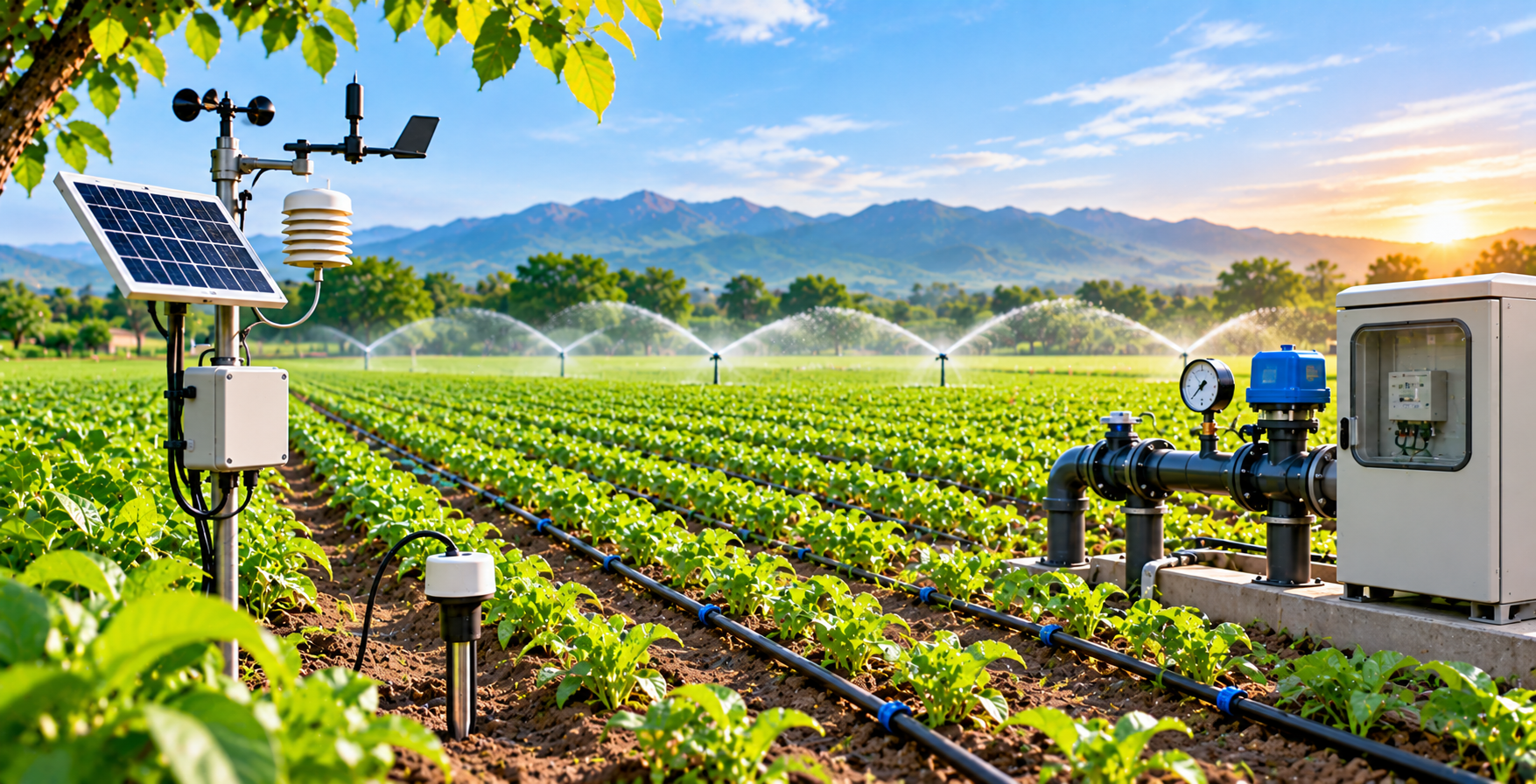
Water management is central to reliable agricultural production, especially in regions facing limited supplies, variable rainfall, and rising costs. Internet of Things (IoT) technologies connect sensors and equipment so that information can be collected and shared more frequently. In agriculture, soil-moisture sensors, weather stations, flow meters, pressure monitors, and connected pumps may help operators understand field conditions and irrigation performance. This information can support better timing and management of water applications.
Smart irrigation is not simply installing sensors. Devices must be selected for the soil type, crop rooting depth, irrigation method, and management question. Sensors need correct placement, calibration, maintenance, and interpretation. Readings from one point may not represent an entire field, particularly where soils or topography vary. Combining sensor measurements with crop growth stage, weather forecasts, field inspection, and irrigation-system performance can lead to more informed decisions.
Automated controls may operate valves or pumps according to defined thresholds or schedules. Such systems can improve convenience and help avoid unnecessary irrigation, but safeguards are important. Equipment failures, connectivity interruptions, power issues, and incorrect settings can cause under- or over-irrigation. Operators should retain the ability to inspect systems, override controls, and respond to abnormal readings. Efficient water use also depends on infrastructure maintenance, suitable application methods, and responsible water governance.
Investment decisions should compare expected benefits with equipment, installation, connectivity, energy, training, and upkeep costs. A small demonstration area can help establish whether sensors improve management before a wider rollout. Outcomes may include water applied, energy consumed, crop performance, labor requirements, and reliability—not only yield. Jadeed Zaraat can support irrigation assessments, planning, and coordination with technical providers. Smart irrigation works best when technology is paired with sound agronomy, practical training, and long-term stewardship of water resources.