
AI, Traceability And Smart Quality Systems In Food Processing
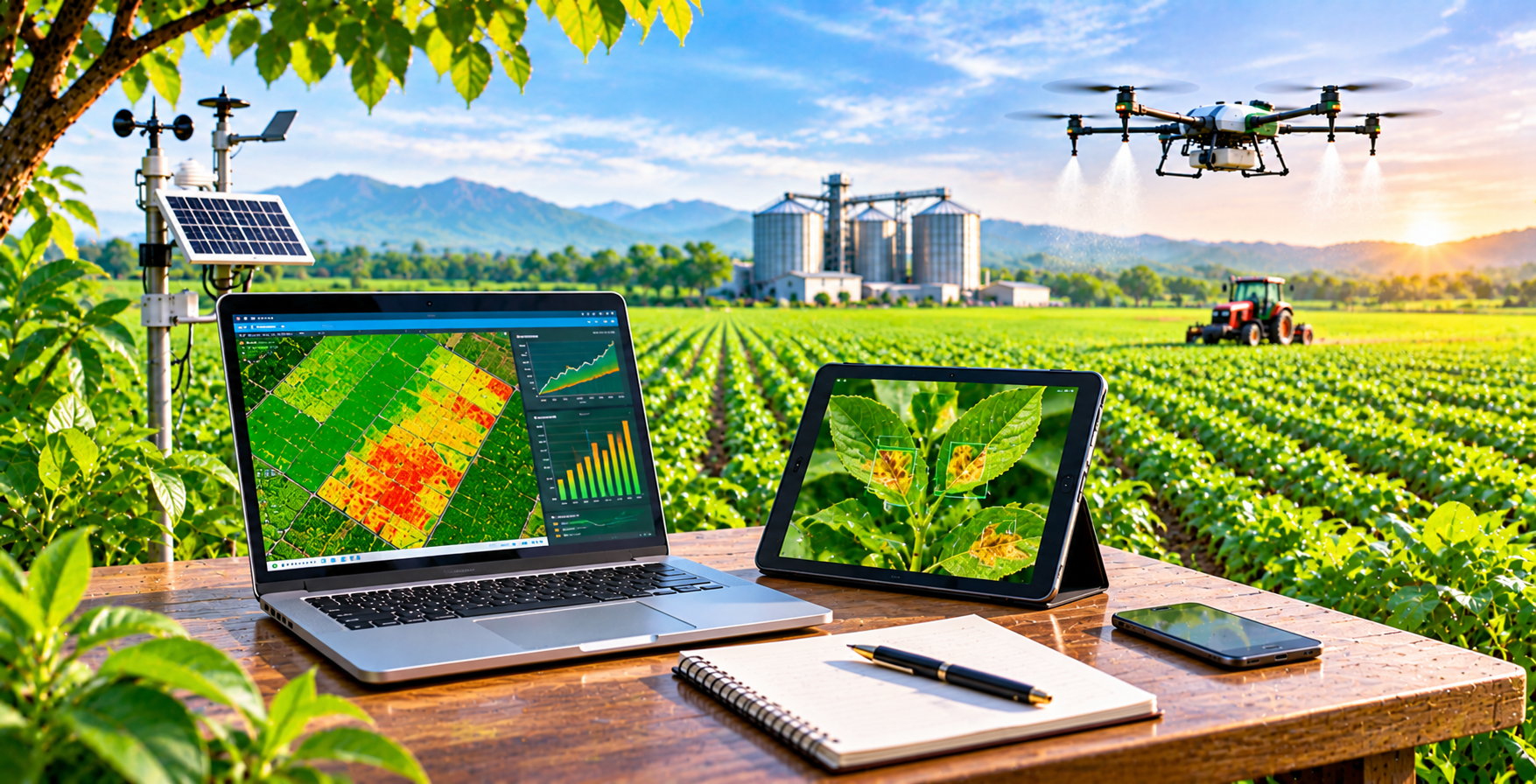
Food processing and agricultural value chains depend on consistent quality, safe handling, and reliable information. Digital quality systems can help record inspections, measurements, production conditions, cleaning schedules, corrective actions, and product batches. Sensors may monitor temperature, humidity, or other process variables, while analytics can help identify recurring deviations. Artificial intelligence may support image-based sorting, anomaly detection, predictive maintenance, and planning, depending on the process and available data.
Traceability connects products and materials to their origins, processing steps, storage, and distribution. A well-designed system can help businesses identify the source and destination of a batch, investigate concerns, and coordinate recalls or corrective action more efficiently. Traceability can be based on practical records and identifiers; advanced technologies are not always necessary. The core requirement is accurate, timely, and consistent information throughout the chain.
Technology cannot substitute for food safety management, qualified personnel, validated procedures, or compliance with applicable standards and regulations. Equipment should be selected and verified for the intended use. Data capture needs clear responsibilities, and records should be protected against loss or unauthorized alteration. AI-generated alerts or classifications must be reviewed, especially when decisions affect product release, consumer safety, or regulatory obligations.
Processors can begin by identifying quality bottlenecks and reviewing existing documentation. A pilot may focus on a single line, product, or critical record before broader implementation. Benefits can be assessed through reduced recording errors, improved response time, clearer batch visibility, or lower waste. Jadeed Zaraat can assist with process assessment, documentation planning, project coordination, and engagement with qualified technical partners. Smart quality systems are most effective when digital tools strengthen a disciplined quality culture and support transparent, accountable operations.