
Robotics, Controlled-environment Farming And Vertical Agriculture
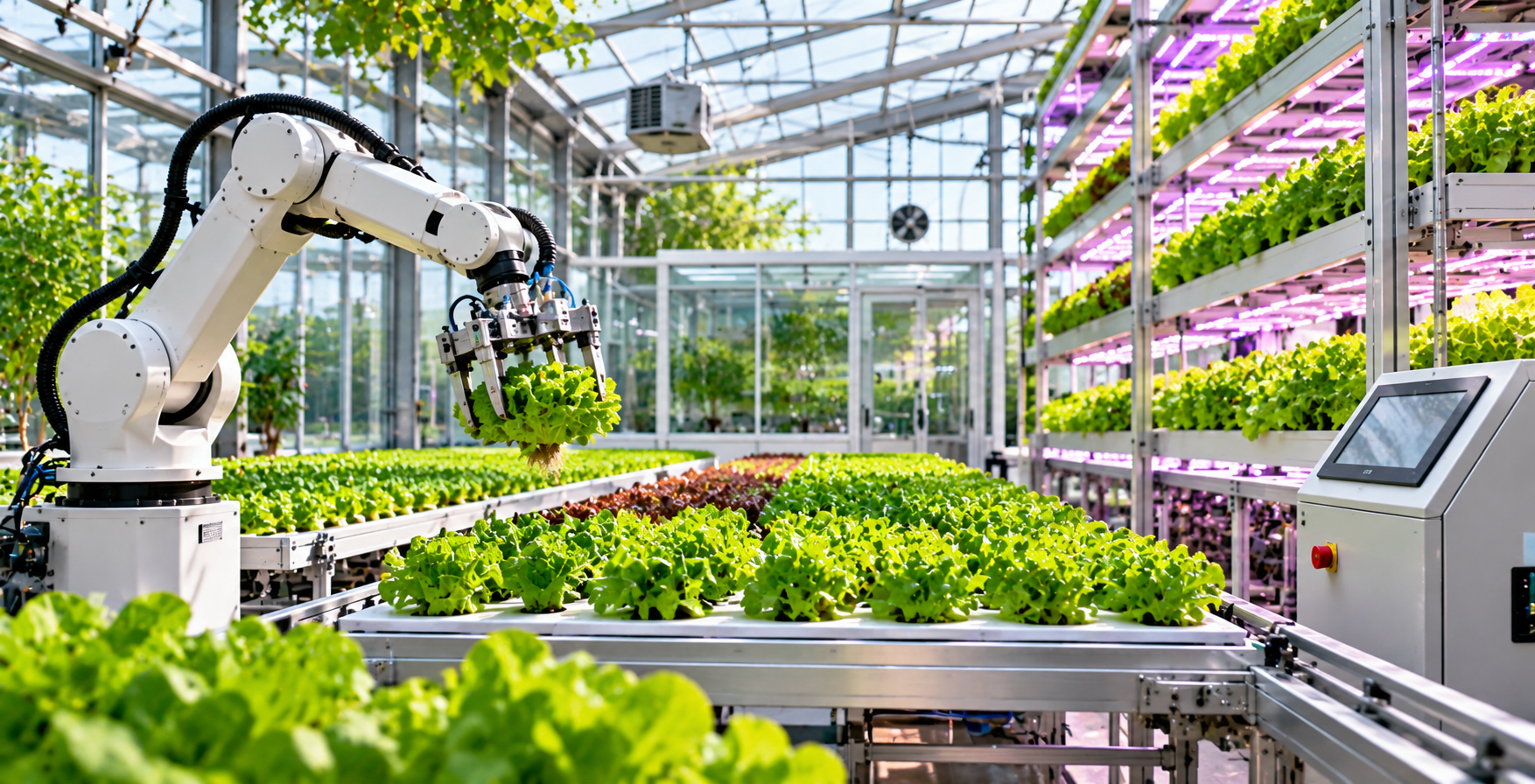
Robotics and controlled-environment agriculture are reshaping selected areas of crop production. Greenhouses, hydroponic systems, vertical farms, and automated growing facilities can provide greater control over factors such as temperature, humidity, light, nutrient delivery, and water circulation. Robotics may assist with seeding, transplanting, monitoring, harvesting, and repetitive handling tasks. These methods can be relevant for certain high-value crops, urban markets, research, or situations where space and environmental control are important.
Their performance depends on crop choice, energy costs, infrastructure, technical skills, market demand, and system design. Controlled environments may reduce exposure to some outdoor risks, but they introduce other challenges, including equipment dependence, disease spread in shared systems, power interruptions, and specialized maintenance. Hydroponic and vertical systems require careful water and nutrient management, sanitation, monitoring, and trained operators.
Economic feasibility must be examined before investment. Capital costs can be substantial, and operating expenses may include electricity, cooling, lighting, pumps, labor, consumables, and repairs. Revenue assumptions should be based on realistic yields, quality, sales channels, and market prices. A pilot operation and detailed feasibility study can help test assumptions. Not every crop or location is suited to vertical production; open-field agriculture may remain more practical and cost-effective for many staple crops.
Technology selection should also consider food safety, water quality, sustainability, and resilience. Jadeed Zaraat can support concept development, feasibility planning, market assessment, and coordination with relevant engineering, agronomic, and business specialists. Robotics and controlled-environment systems should be viewed as options within a broader agricultural portfolio. Their future contribution will depend on responsible design and a clear fit between production capabilities, operating costs, and customer requirements.