
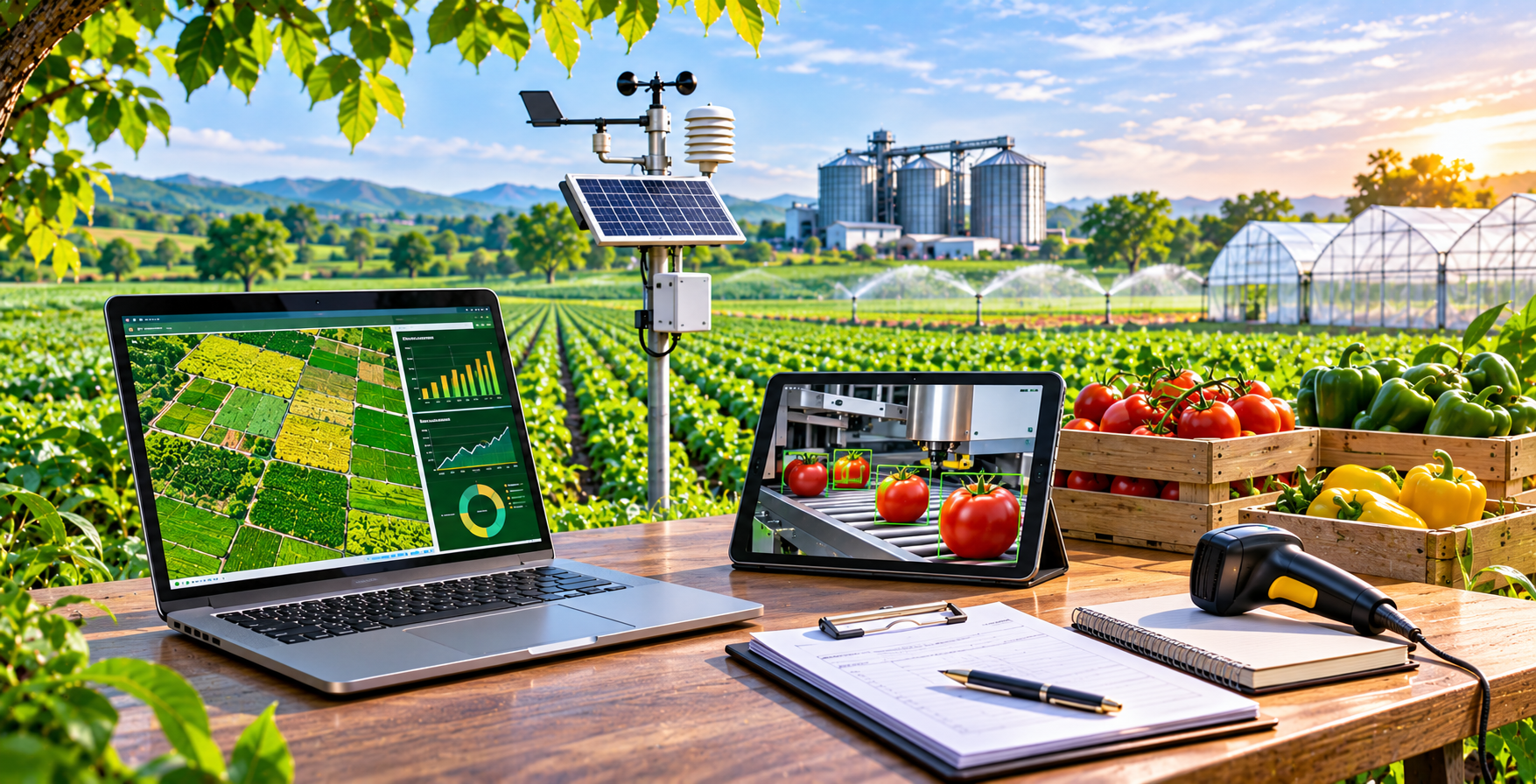
Digital Agriculture Platforms And Farm Management Software
Digital agriculture platforms bring farm information into organized systems that can support planning, recordkeeping, and operational coordination. Depending on their design, platforms may include field maps, crop calendars, input inventories, labor records, irrigation logs, machinery schedules, financial data, and harvest reports. When information is entered consistently, digital records can help managers understand performance, track activities, and make decisions based on more than memory or scattered paperwork.
A useful farm management system should match the user’s actual workflow. Small farms may need a simple mobile record tool, while larger operations or agribusinesses may require multi-user access, reporting, inventory controls, and integration with procurement or accounting systems. Ease of use, language, connectivity, offline functionality, data export, and ongoing costs are important selection factors. A platform that is too complex may be abandoned even if it has many features.
Data quality is the foundation of reliable analysis. Entries should use clear units, consistent field names, and agreed procedures. Teams need to know who can enter, view, edit, or share records. Data ownership, privacy, backups, cybersecurity, and vendor continuity should be considered before adoption. Reports and dashboards should be interpreted with awareness of missing information and seasonal differences.
Digital records can also support traceability and quality assurance when linked with batch, harvest, storage, and dispatch information. They may improve coordination between farms, processors, buyers, and logistics providers, provided data are accurate and the system is appropriately managed. Jadeed Zaraat can help map requirements, review platform options, define record structures, and coordinate implementation support. Digitalization should be a practical improvement to daily work, with measurable benefits such as clearer records, reduced duplication, stronger planning, and improved communication—not merely a move from paper to screens.