Climate-smart Agriculture And Regenerative Soil Practices
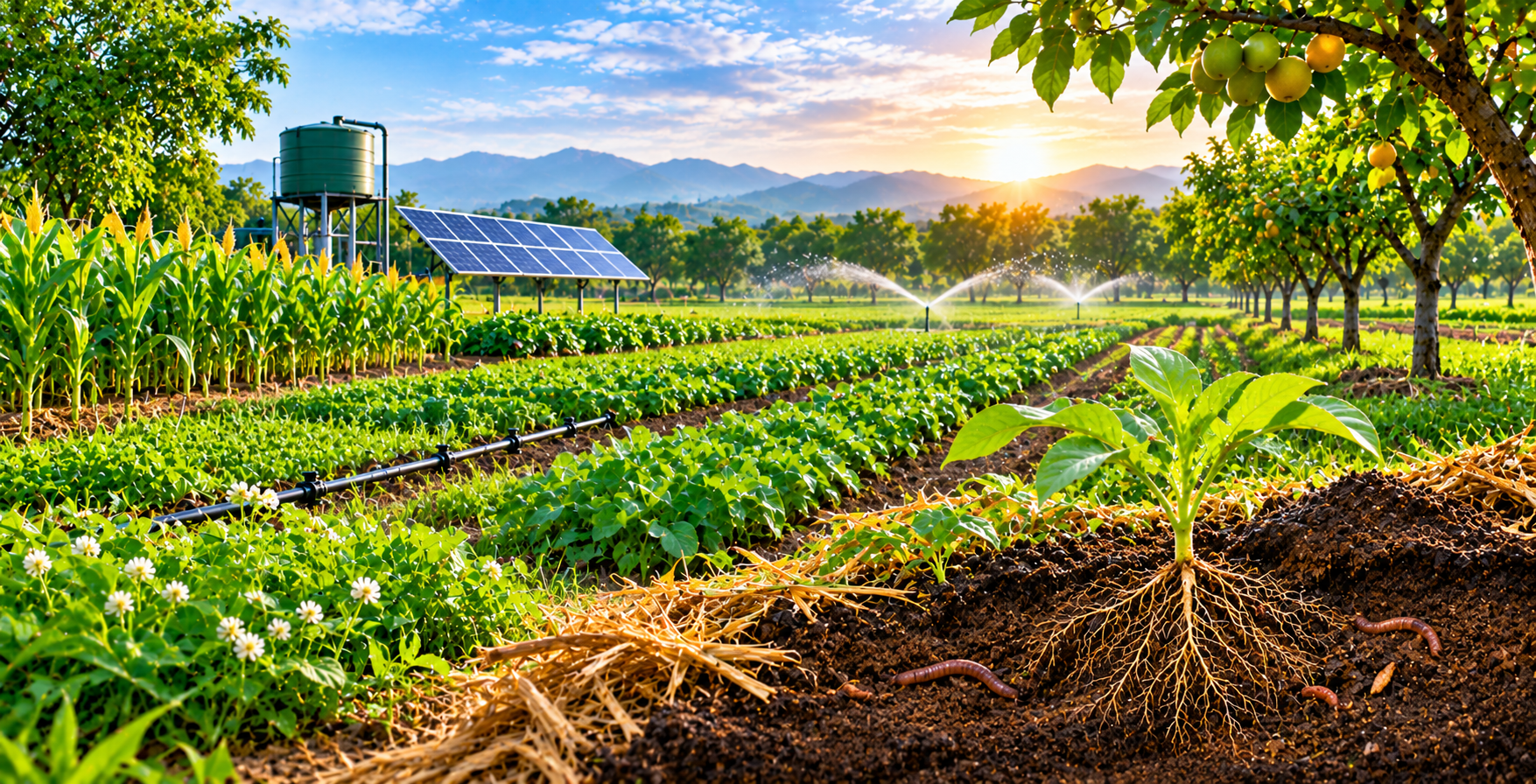
Climate-smart agriculture seeks to support productivity, strengthen resilience to climate variability, and reduce or manage environmental impacts. Its practices are not a universal package; they need to be adapted to local soils, crops, water availability, farm resources, and market conditions. Examples may include crop rotation, diversified production, improved soil cover, integrated nutrient management, efficient irrigation, appropriate crop varieties, agroforestry, and better pest-management strategies.
Healthy soil is a critical foundation. Soil organic matter, structure, biological activity, and nutrient balance influence water infiltration, root development, and crop performance. Practices such as retaining suitable residues, reducing unnecessary disturbance, adding organic amendments where appropriate, and preventing erosion may contribute to soil health. Yet the outcomes depend on context. Residue use may compete with livestock feed, amendments vary in quality, and conservation practices may require equipment or labor changes. Soil testing and technical assessment help guide decisions.
Climate resilience also involves managing risk. Farmers can consider crop diversification, adjusted planting windows, weather information, water planning, and preparedness for heat, drought, heavy rainfall, and pest pressure. No single intervention eliminates climate risk. Combining suitable practices and reviewing results over time can strengthen adaptation. Monitoring should include soil indicators, input use, water use, productivity, and economic performance where feasible.
Transitioning practices may involve upfront costs, learning, and uncertain short-term results. Demonstrations, farmer-to-farmer learning, advisory support, and accessible finance can help. Jadeed Zaraat can support assessments, planning, technical coordination, and capacity building for context-appropriate sustainable agriculture. Regenerative and climate-smart approaches should be evaluated through credible evidence and practical outcomes, with a focus on maintaining productive land and responsible resource use for future generations.